

Short answer: Regular socks are knitted from thicker fabric like cotton or wool, built to handle everyday wear and cushion your feet. Men's hosiery is a much finer knit, usually nylon or a nylon blend, made more for a smooth, sheer look and feel than for heavy use. Same basic idea, but they're made differently and worn for different reasons.
What Actually Makes Them Different
Regular socks are built to take a beating. Cotton, wool, or a blend of the two, usually with reinforced heels and toes to deal with friction, sweat, and daily wear inside shoes or boots. Durability and cushioning come first, and style is more of an afterthought.
Hosiery comes at it from the other direction. It's a much finer knit, usually nylon, sometimes with a bit of spandex for stretch, which is what gives it that smooth, sheer or semi-sheer finish instead of the ribbed texture you'd see on a regular sock. It's not going to survive years of hard wear the way a decent wool sock does. It's made to look and feel a certain way against the skin, not to take a hammering.
Where the Line Gets Blurry
Not every thin sock counts as hosiery, and not everything called hosiery is see-through. Dress socks sit somewhere in between thinner and smoother than a chunky wool hiking sock, but still opaque and hardy enough for daily wear with a suit. Real hosiery goes further than that: sheerer, stretchier, and noticeably lighter, closer to what you'd find in women's pantyhose than anything in a men's sock drawer.
If you're trying to work out which one you're looking at, sheerness and stretch are the two things worth checking. Can't see skin through it, made from a heavier knit? That's a sock. Sheer, stretchy, almost like a second skin? That's hosiery.
Why Men Wear Hosiery
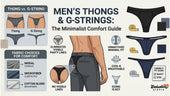
A few reasons come up again and again. Some men wear it under trousers in winter for extra warmth without the bulk of thick socks. Others just like the smooth feel against the skin, which a regular sock can't really give you. It also comes up a lot with formalwear — a very fine, sheer sock under a suit gives a cleaner finish than a standard cotton one. And separate from all that, men's hosiery has found a place in certain fashion and alternative style circles, worn for the look and feel rather than any of the practical reasons above, similar to our guide on g-strings and thongs and a few other fine-fabric styles we've covered.
None of these reasons need much justifying. Warmth, a cleaner look under a suit, or just liking how it feels are all fair enough reasons to try it.

How to Choose Between the Two
If you're not sure what to buy, it really comes down to what you actually need it to do.
-
Everyday wear and activity. Stick with regular socks. Cotton or wool blends handle sweat and friction far better over a full day in shoes or boots.
-
Under a suit for a cleaner look. A fine dress sock or lightweight hosiery both work here, depending on how sheer you want the finish.
-
Extra warmth without bulk. A hosiery-style layer under trousers adds warmth without the thickness of a heavier sock.
-
Purely for feel or style. Hosiery is the obvious pick, since that's what it's made for.
Sizing for hosiery varies by brand and is usually based on height and weight range rather than shoe size, so always check the size guide on the individual product page before buying.

What to Wear Hosiery Under
Hosiery is designed to sit under trousers rather than be seen, so what you're wearing over the top matters more than it might for a regular sock. Under suit trousers or tailored pants, a fine hosiery layer disappears completely and adds a bit of warmth or a smoother leg line without anyone knowing it's there. Under jeans or looser trousers, the difference is less noticeable since there's more fabric between your leg and the outside world anyway, so a lot of the appeal comes down to how it feels rather than how it looks.
One thing worth knowing: because hosiery is thinner and closer-fitting than a regular sock, it doesn't add the same bulk inside your shoe. If you're wearing it specifically to add warmth without changing how your shoes fit, that's actually one of the bigger practical advantages over just putting on a second pair of thick socks.
Fabric and Denier: What the Numbers Mean
If you've shopped for hosiery before, you've probably seen a "denier" number on the packaging. This measures how thick the fabric is — the lower the number, the sheerer and lighter it is. A 15-denier pair is very sheer and delicate, while something around 40 to 70 denier is thicker, more opaque, and holds up to more regular wear while still being much finer than a standard sock.
For everyday warmth under trousers, a mid-range denier (around 40-70) is usually the most practical choice, since it balances a smooth feel with enough durability to survive normal wear. Very low denier options are better suited to occasions where the sheer look matters more than how long the pair will last.
Common Mistakes to Avoid
A few things trip people up more than others. Wearing hosiery for hard physical activity is the big one — the fine knit isn't built for the friction and sweat of a workout or a long day on your feet, so it'll wear through fast. Assuming any thin sock counts as hosiery is another; a thin dress sock and real hosiery are different products with different fabric weights, even if they look similar in a product photo. Sizing based on shoe size alone can also throw people off, since hosiery sizing usually depends more on height and leg length — check the specific size chart rather than guessing. And machine drying on high heat is worth avoiding altogether, since fine nylon knits lose their stretch and snag more easily once they've been through a hot dryer a few times.
Quick Questions
Is men's hosiery the same as pantyhose?
It's a similar idea and often a similar fabric, but men's hosiery is cut and sized for a man's leg shape rather than being a repurposed women's product. Some styles run full-length like tights, others are just a finer sock.
Can hosiery be worn under regular socks?
Yes, and some men do exactly that for extra warmth in winter without changing how their outer socks look or fit.
Does hosiery last as long as regular socks?
Generally, no. The fine knit that gives it that look and feel also makes it more prone to snagging and wearing through, especially with regular hard wear. Treat it more like a delicate item than an everyday workhorse.
Is it obvious that you're wearing hosiery instead of socks?
Under trousers, no. Nobody can tell what's on your legs under fabric. It only shows if your ankle or leg is exposed, much the same as a regular sock would in that situation.
In Short
Regular socks are built for durability and everyday wear. Men's hosiery trades that durability for a finer, sheerer feel, whether that's for warmth under trousers, a cleaner look under a suit, or just personal preference. Neither one replaces the other — they're suited to different situations. Neither one replaces the other — they're suited to different situations. For everything else in our range, head back to the complete men's underwear style guide.




 https://seductiveutopiaapac.com/blogs/the-utopia-edit/
0 comments